

How to Set Mental Boundaries: 5 Steps to Protect Your Energy Without Guilt
Read about ways to protect your mental wellbeing without remorse.
MENTAL HEALTHEMOTIONAL HEALTH
EJ Martin
4/27/202610 min read
How to Set Mental Boundaries: 5 Steps to Protect Your Energy Without Guilt
We've all experienced that sinking feeling when we agree to something we don't want to do or allow someone to drain our time and energy without speaking up. Many of us struggle with protecting our mental space because we worry about seeming selfish or disappointing others. Mental boundaries are the limits we set to protect our emotional and psychological wellbeing, and learning to establish them without guilt is essential for maintaining mental wellness and peace of mind.


The challenge isn't just knowing we need boundaries—it's actually implementing them in our daily lives. We often carry beliefs that our worth depends on our availability or that caring for ourselves means we care less about others. This thinking keeps us trapped in cycles of overcommitment and exhaustion.
In this article, we'll explore what mental boundaries truly are and why guilt often accompanies our attempts to set them. We'll walk through five practical steps that make boundary-setting feel less overwhelming and more natural. By understanding common obstacles and building sustainable practices, we can create lasting change that supports our energy and overall mental wellness.
Understanding Mental Boundaries

Mental boundaries are the invisible lines we draw to protect our emotional and psychological well-being from being depleted by others. They serve as essential safeguards that allow us to maintain our mental wellness while staying connected to the people around us.
What Are Mental Boundaries?
Mental boundaries are limits we set around our time, emotions, psychological energy, and mental space to protect ourselves from feeling drained. They define where we end and another person begins, much like property lines separate one yard from another.
These boundaries function as personal guidelines that determine what we're willing to accept in our relationships. When we feel someone has "crossed the line," they've typically overstepped one of our mental boundaries.
We can set boundaries around various aspects of our lives. This includes how much emotional labor we take on, which conversations we engage in, and how we allocate our mental energy throughout the day. For instance, we might establish a boundary at work by declining a project that would interfere with our work-life balance and self-care routines.
The key is recognizing that boundaries differ from person to person based on our individual needs, cultural background, and life circumstances.
Why Boundaries Are Essential for Mental Wellness
Without healthy boundaries, we become vulnerable to burnout, exhaustion, and being spread too thin across too many commitments. Setting boundaries is essential for protecting our mental wellness in a world that constantly demands our energy and attention.
When we lack clear boundaries, we often experience:
Chronic exhaustion from overcommitting our time
Resentment toward others for taking advantage of us
Loss of peace of mind from constantly prioritizing others' needs over our own
Difficulty saying no even when we're already overwhelmed
Boundaries give us power over our decisions, time, and emotions rather than allowing external demands to dictate our lives. They help us avoid the cycle of saying yes followed by regret and dread. While setting a boundary might cause temporary guilt, the alternative is experiencing long-term resentment that erodes our mental wellness and relationships.
The Impact of Guilt When Setting Boundaries

Guilt often prevents us from establishing the mental boundaries we need, but understanding why it appears and how to reframe our thinking makes it possible to protect our peace of mind without compromising our wellbeing.
Why Guilt Arises
We experience guilt when setting boundaries because we've internalized beliefs that boundaries are mean, wrong, or selfish. These beliefs often come from messages we received growing up or from people who benefited from our lack of limits.
When we've spent years without boundaries, others become accustomed to unlimited access to our time and energy. They may resist when we finally start standing up for ourselves, and their pushback reinforces our guilty feelings. However, their discomfort with our boundaries is their opinion, not a fact about whether we're doing something wrong.
Guilt serves a purpose when we've genuinely harmed someone, but boundary guilt is different. It's an emotional response based on unrealistic expectations we hold about always being available or never disappointing others. This type of guilt actually prevents us from doing what's in our best interest and learning how to set mental boundaries without guilt.
Reframing Boundaries as Self-Care
Boundaries are a form of self-care that allows us to stay healthy, happy, and productive. We don't feel guilty about eating vegetables or exercising because we recognize these activities are good for us. Setting boundaries deserves the same perspective.
When we establish clear limits, we're not being selfish—we're ensuring we have enough energy and patience to show up fully in our relationships. Boundaries actually strengthen our connections with others by reducing resentment and creating emotional safety. Children feel secure when parents set clear expectations, and friendships thrive when both people understand each other's needs.
Reframing boundaries as essential maintenance for our peace of mind shifts our perspective. Instead of viewing them as rejections of others, we can see them as necessary protections that benefit everyone involved. We become less reactive, more present, and more capable of genuine compassion when we're not depleted or resentful.
Recognizing and Protecting Your Energy
Understanding what depletes our mental reserves and recognizing when we've reached our limits are fundamental skills for maintaining our well-being. Energy drains show up in specific patterns we can learn to identify before burnout sets in.
Identifying Sources of Energy Drain
Certain people and situations consistently leave us feeling exhausted rather than energized. We need to pay attention to interactions where we absorb someone else's stress, constantly manage their emotions, or feel responsible for fixing their problems.
Workplace demands often drain our energy through unrealistic expectations, lack of appreciation, or toxic dynamics. When we say yes to every request without considering our capacity, we overextend ourselves.
Common energy drains include:
People who frequently complain without seeking solutions
Relationships requiring constant emotional labor
Obligations we've accepted out of guilt rather than genuine desire
Environments where we feel we must hide our authentic selves
Digital overload from constant notifications and availability
Social media can be particularly draining when we compare ourselves to others or engage with negativity. Even positive activities become energy drains when we don't allow time for recovery between them.
We should watch how we react to others' energy rather than absorbing their mood or stress as our own. This awareness helps us distinguish between genuine connection and situations that compromise our mental wellness.
Signs You Need Stronger Mental Boundaries
Our bodies and emotions signal when boundaries are weak. Physical exhaustion that sleep doesn't fix often indicates we're giving more energy than we're replenishing.
Irritability and resentment toward people we care about suggest we've compromised our limits too often. When we feel anxious about checking messages or attending events we once enjoyed, our boundaries need reinforcement.
Warning signs include:
Difficulty saying no without extensive justification
Feeling responsible for managing others' happiness
Emotional numbness or detachment
Persistent guilt when prioritizing our own needs
Loss of clarity about our own feelings versus others' expectations
We might notice ourselves avoiding certain people or situations entirely because we lack the tools to protect our energy in smaller, healthier ways. Decision fatigue increases when we haven't established clear limits in advance.
When our peace of mind depends entirely on others' approval or happiness, we've lost touch with our own needs. These signals tell us it's time to establish firmer boundaries before reaching complete depletion.
Five Practical Steps to Set Mental Boundaries Without Guilt
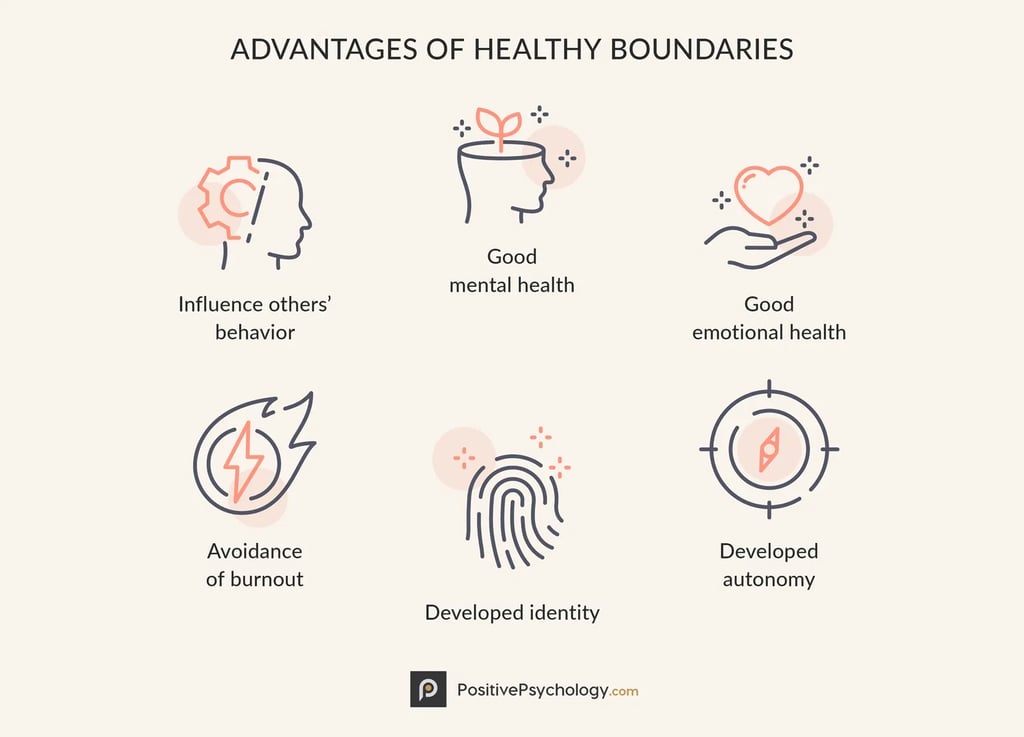
Setting mental boundaries requires deliberate action and practice, but the process becomes manageable when broken into clear steps. We can protect our mental health by identifying our limits, communicating them clearly, saying no without apology, and maintaining consistency in our responses.
Clarifying Your Personal Limits
We need to identify where our energy gets depleted before we can set effective boundaries. This means paying attention to situations that leave us feeling drained, resentful, or overwhelmed.
Ask yourself these questions:
Which commitments cause unnecessary stress or dread?
Where am I overextending myself?
What interactions leave me emotionally exhausted?
Which obligations feel draining rather than fulfilling?
Our gut reaction often signals when a boundary needs attention. If we feel immediate tension or reluctance about a request, that's valuable information about our limits.
Understanding your needs helps us recognize patterns of overcommitment. We might notice certain people consistently expect more than we can give, or specific activities drain our energy reserves. Taking time to reflect on past situations where boundaries were crossed helps us define clearer limits for the future.
Communicating Assertively and Kindly
Once we know our limits, we must express them directly. Other people cannot read our minds, so clearly communicating our boundaries prevents misunderstandings and resentment.
We should state our boundaries in simple, direct language. "I need to leave by 6 PM" works better than hinting or making vague excuses. Being authentic in how we communicate makes the boundary feel natural rather than forced.
Setting expectations upfront prevents awkward situations later. If a friend typically expects long phone calls, we can say: "I'm glad we can talk. I have 20 minutes before I need to get back to work." This establishes the limit without creating conflict.
Key phrases for boundary setting:
"I'm not available for that"
"That doesn't work for me"
"I can't take that on right now"
"I need to focus on my current priorities"
We don't need to justify every decision with lengthy explanations. A polite, firm statement communicates our needs while respecting the other person.
Learning to Say No with Confidence
Saying no feels uncomfortable at first, especially if we're used to people-pleasing. However, learning to decline requests is essential for protecting our energy and mental wellness.
We can soften a no by offering alternatives when appropriate. "I can't help you move on Saturday, but I can come help you pack on Friday evening" meets both parties' needs. The key is ensuring any alternative still respects our actual capacity.
If a request catches us off-guard, we can buy time by saying "let me check my schedule and get back to you." This gives us space to consider whether we truly have the bandwidth before committing. We can then respond via text or email with a polite decline.
Remember: A short-term feeling of guilt beats long-term resentment. When we say yes out of obligation, we often regret it and feel bitter about the commitment. Saying no protects both our energy and our relationships.
We shouldn't apologize excessively or over-explain our reasons. "I'm not able to take on that project" is complete without adding "I'm so sorry, it's just that I have three other deadlines and my schedule is completely packed and I really wish I could but..."
Consistently Reinforcing Your Boundaries
Setting boundaries means nothing without consistency. When we waver or make exceptions, others learn our boundaries are negotiable.
Some people will test our limits, especially if we haven't set boundaries with them before. They might respond with disappointment, pressure, or guilt-tripping. We need to prepare for pushback and practice standing firm.
When someone challenges our boundary, we can acknowledge their feelings while maintaining our position: "I understand this is disappointing, but I can't make it work." Repeating our original response reinforces that this limit isn't flexible.
Strategies for maintaining boundaries:
Use the same clear language each time
Don't debate or negotiate established limits
Recognize manipulation tactics (guilt trips, passive aggression)
Remember that protecting our energy benefits everyone long-term
Practice helps boundaries become easier to maintain. The more we enforce our limits, the more natural it feels and the more others respect them. Our consistency teaches people what to expect from us and reduces future boundary violations.
Overcoming Common Obstacles in Boundary Setting
The two most significant challenges we face when setting mental boundaries are worrying about what others think and dealing with resistance when we enforce our limits. These obstacles can undermine our mental wellness and prevent us from protecting our peace of mind.
Managing Fear of Disapproval
Our need for approval often prevents us from living an authentic life aligned with our values. When we depend on others for validation, we prioritize being liked over advocating for ourselves.
Key strategies to manage this fear:
Shift your focus inward: What matters most is that we approve of ourselves and our choices
Accept limited control: We cannot control how others perceive us, only how we honor our needs
Challenge people-pleasing: We are not responsible for other people's happiness or reactions
Recognize the cost: When our lives revolve around others' expectations, we sacrifice our mental wellness
The truth is that some people will be dissatisfied regardless of how much we give. We can provide everything and still face disapproval. This reality makes seeking constant approval both exhausting and futile.
Learning how to set mental boundaries without guilt requires accepting that disappointing others occasionally is unavoidable. When we stay silent to maintain approval, we say no to our own needs instead.
Handling Pushback from Others
Pushback isn't failure when we set boundaries. It's an opportunity to strengthen our resolve and teach others to respect our limits.
People become accustomed to us carrying the workload, especially when we've avoided conflict to keep the peace. They react with surprise when we ask for a fairer distribution of responsibilities.
How to respond to resistance:
Use healthy conflict techniques: Active listening, "I" statements, and validating others' perspectives
Stay consistent: Repeated enforcement shows we're serious about our boundaries
Remain calm and clear: Restate our limits without apologizing or over-explaining
Practice self-compassion: We deserve to protect our energy even when others resist
We must remember that protecting our mental health isn't selfish. Creating space for balanced, respectful relationships benefits everyone involved. The discomfort of pushback is temporary, but the peace of mind we gain from maintaining our boundaries is lasting.
Cultivating Long-Term Peace of Mind and Mental Wellness


Sustaining mental wellness requires consistent effort in maintaining our boundaries and actively seeking support when we need it. These practices help us protect our energy and build resilience over time.
Maintaining Boundaries Over Time
Boundaries require regular evaluation and adjustment as our lives and relationships change. We need to revisit our limits periodically to ensure they still serve our current needs and circumstances.
When we notice signs of burnout or resentment, it signals that our boundaries may need reinforcement. Building healthy habits for long-term mental wellness involves celebrating small successes and practicing self-compassion throughout the process.
We should communicate consistently about our boundaries rather than assuming others remember them. This includes updating our email signatures with working hours, declining requests that exceed our capacity, and addressing boundary violations as they occur.
Key maintenance practices include:
Scheduling monthly check-ins with ourselves to assess boundary effectiveness
Adjusting limits when life circumstances change
Reinforcing boundaries when they're tested
Modeling respect for others' boundaries
The goal is not perfection but progress in protecting our emotional well-being and maintaining balance.
Seeking Support for Ongoing Growth
Professional support accelerates our boundary-setting skills and provides accountability. Therapists and counselors offer personalized strategies for addressing specific challenges in our relationships and work environments.
Support groups connect us with others navigating similar boundary struggles. These communities normalize the discomfort of saying no and provide practical examples of how others maintain their limits successfully.
We benefit from sharing our boundary-setting experiences with trusted friends or mentors who understand the importance of boundaries for mental health. Their outside perspective often reveals patterns we might miss on our own. Regular conversations about boundaries keep us accountable and motivated to uphold our standards.