

How to Rewire Negative Thinking Patterns for Better Mental Health
Discover how negative thought loops form and proven ways to rewire them for healthier mental habits.
MENTAL HEALTH
EJ Martin
3/23/20269 min read
How to Rewire Negative Thinking Patterns for Better Mental Health: Step-by-Step Strategies
Negative thinking patterns operate through specific neural pathways in your brain that strengthen with repetition, but the good news is that your brain's neuroplasticity allows these patterns to be restructured through targeted interventions. I've researched the neuroscience behind thought formation and compiled evidence-based approaches that address negative thinking at its neurological source rather than applying surface-level solutions.


The key to lasting change lies in understanding how your brain creates automatic negative thoughts and implementing systematic techniques that physically rewire the neural connections responsible for these patterns. This process typically requires consistent practice over several weeks, during which measurable changes occur in brain regions like the prefrontal cortex and amygdala.
Throughout this article, I'll walk you through the neurological foundations of negative thinking, explain why your brain defaults to negativity, and provide practical daily techniques backed by cognitive neuroscience research. You'll learn to recognize your personal thought triggers, apply specific rewiring methods, and build sustainable habits that support long-term mental health improvements.
Understanding Negative Thinking Patterns
Negative thinking patterns are automatic mental habits that distort reality and create recurring cycles of pessimistic thoughts. These patterns manifest in specific, identifiable forms and directly impact emotional well-being, stress levels, and overall mental health functioning.
What Are Negative Thinking Patterns?
Negative thinking patterns are automatic cognitive processes where the brain consistently interprets situations in pessimistic or distorted ways. These thoughts operate below conscious awareness and become strengthened through repetition, creating neural pathways that make negative interpretations the brain's default response.
Research shows that the human brain processes between 60,000 to 80,000 thoughts daily. Studies indicate up to 80% of these thoughts may carry negative content for individuals with established negative thinking patterns. The brain's negativity bias, an evolutionary survival mechanism, causes it to process negative information faster than positive information.
These patterns become problematic when they're automatic, persistent, and divorced from objective reality. Unlike occasional negative thoughts that everyone experiences, negative thinking patterns operate continuously and resist contradiction from evidence or positive experiences.
Common Types of Negative Thought Patterns
I've identified several distinct categories of negative thought patterns that frequently appear in clinical and research settings:
All-or-Nothing Thinking views situations in absolute, black-and-white terms without recognizing middle ground. A single mistake becomes complete failure.
Catastrophizing involves predicting the worst possible outcome and treating it as inevitable. Minor setbacks are mentally transformed into disasters.
Personalization attributes external events to personal failings, even when multiple factors contributed to the outcome. This pattern creates excessive self-blame.
Mental Filtering focuses exclusively on negative details while ignoring positive aspects. The brain effectively screens out information that contradicts the negative narrative.
Overgeneralization takes a single negative event and treats it as a permanent pattern. Words like "always" and "never" dominate this thinking style.
Emotional Reasoning assumes that feelings reflect objective truth. "I feel inadequate, therefore I am inadequate" exemplifies this distortion.
How Negative Thoughts Affect Mental Health
Negative thinking patterns create measurable changes in brain structure and function. Studies using brain imaging show that chronic negative thinking reduces gray matter density in the hippocampus and affects the anterior cingulate cortex, regions critical for emotional regulation and cognitive flexibility.
The amygdala, the brain's threat-detection center, becomes hyperactive with persistent negative thinking. This creates a state of chronic stress where the body remains in heightened alert mode. Cortisol and other stress hormones circulate at elevated levels, contributing to anxiety, sleep disruption, and physical health problems.
Mental health conditions including depression and anxiety disorders show strong correlations with entrenched negative thinking patterns. The relationship is bidirectional—negative thoughts contribute to these conditions, and the conditions reinforce negative thinking, creating self-perpetuating cycles.
Learning how to stop negative thinking requires understanding these patterns operate automatically. The prefrontal cortex, responsible for logical thinking and decision-making, becomes suppressed during negative thought spirals, making rational intervention difficult without specific techniques.
The Science Behind Rewiring Your Thoughts

Your brain physically changes based on what you think and do repeatedly. This transformation occurs through measurable biological processes involving neural connections, brainwave activity, and the brain's resistance to change through established pathways.
Neuroplasticity and Thought Patterns
Neuroplasticity is the brain's ability to reorganize itself by forming new neural connections throughout life. When I think a thought repeatedly, the neurons involved in that thought create stronger synaptic connections with each other. This follows the principle of Hebbian learning: neurons that fire together wire together.
Each negative thought I have creates or strengthens a specific neural pathway. After roughly 10,000 repetitions, these pathways become automatic and require no conscious effort to activate. The connections become covered with myelin, a fatty substance that increases signal transmission speed by up to 100 times.
Key mechanisms of neuroplastic change:
Synaptic strengthening: Repeated thoughts increase neurotransmitter release between connected neurons
Structural growth: New dendritic branches form to support frequently used thought patterns
Myelination: Insulation around neural pathways speeds up thought processing
Pruning: Unused neural connections weaken and eventually disappear
Research from the University of Wisconsin showed measurable brain structure changes within eight weeks of targeted cognitive training. Participants showed increased gray matter density in areas associated with emotional regulation.
The Role of Brainwaves and the Subconscious
My brain operates at different electrical frequencies depending on my mental state. Theta waves, which oscillate between 4-8 Hz, create optimal conditions for cognitive restructuring. During theta states, my brain produces more brain-derived neurotrophic factor (BDNF), a protein that promotes new neural connection growth.
Theta states occur naturally during deep meditation, the transition between waking and sleep, and moments of creative insight. In these states, the default mode network—responsible for rumination and self-referential thinking—shows reduced activity. This creates a window where my subconscious mind becomes more receptive to new information and patterns.
The subconscious processes approximately 11 million bits of information per second, compared to the conscious mind's 40-50 bits. Most negative thought patterns operate at this subconscious level, which is why conscious willpower alone rarely succeeds in changing them. Accessing theta states allows me to work directly with subconscious programming.
Why Old Thought Patterns Persist
Negative thought patterns resist change because of several biological and psychological mechanisms. My brain evolved to prioritize energy efficiency, and established neural pathways require significantly less energy to maintain than creating new ones. This creates a strong bias toward familiar thought patterns, even when they're harmful.
The amygdala, my brain's threat detection system, becomes hypersensitive through repeated negative thinking. It enlarges and grows more reactive to potential dangers, creating a negativity bias that interprets neutral situations as threatening. This process becomes self-reinforcing: negative thoughts trigger stress hormones, which strengthen the neural pathways that generated those thoughts.
Persistence Mechanism Effect on Brain Result Energy conservation Brain defaults to existing pathways Automatic negative responses Amygdala sensitization Increased threat detection Heightened negativity bias Cortisol production Hippocampus shrinkage Impaired memory and learning Thought suppression rebound Hypervigilance for suppressed thoughts Increased negative thought frequency
When I try to suppress negative thoughts through conscious effort, my brain's monitoring system becomes hypervigilant for those exact thoughts. This creates a rebound effect where suppressed thoughts return with greater intensity. Breaking this cycle requires working with my brain's natural plasticity rather than against it.
Evidence-Based Techniques for Rewiring Negative Thinking

Research shows that specific therapeutic techniques can measurably alter neural pathways and reduce negative thought patterns within weeks of consistent practice. These methods work by disrupting automatic negative circuits while building new, healthier thinking habits through targeted interventions.
Cognitive Behavioral Therapy Approaches
I've found that cognitive behavioral therapy (CBT) stands as one of the most validated methods for changing negative thought patterns. CBT operates on the principle that thoughts, feelings, and behaviors are interconnected, and by modifying thought patterns, I can influence my emotional responses and actions.
The therapy focuses on identifying cognitive distortions—biased ways of thinking that fuel negativity. Common distortions include all-or-nothing thinking, catastrophizing, and overgeneralization. Once I recognize these patterns, I can actively challenge their validity.
Core CBT Components:
Thought monitoring - Tracking when and where negative thoughts occur
Evidence examination - Testing thoughts against actual facts
Alternative generation - Creating balanced, realistic interpretations
Behavioral experiments - Testing new thought patterns through action
CBT typically shows measurable improvements within 12-16 sessions. Research indicates that 60-75% of people practicing CBT techniques experience significant reduction in negative thinking patterns and associated symptoms like anxiety and depression.
Cognitive Restructuring and Reframing Thoughts
Cognitive restructuring is the specific CBT technique I use to identify and modify distorted thinking patterns. This process involves examining negative automatic thoughts, evaluating their accuracy, and replacing them with more balanced alternatives.
The technique starts with catching negative thoughts as they occur. I then question the thought systematically: What evidence supports this? What evidence contradicts it? Am I jumping to conclusions? Is there another way to interpret this situation?
Reframing doesn't mean forcing positive thoughts or denying reality. Instead, I aim for balanced, accurate interpretations. For example, instead of "I always fail at everything," a reframed thought might be "I struggled with this specific task, but I've succeeded at many others."
Studies show that consistent cognitive restructuring practice can reduce activity in the anterior cingulate cortex—the brain's conflict monitoring system—within 8-12 weeks. This creates lasting changes in how I automatically process information.
Behavioral Activation
Behavioral activation addresses negative thinking by changing what I do rather than directly targeting thoughts. This approach recognizes that depression and negative thinking often lead to withdrawal from activities, which then reinforces negativity.
I start by identifying activities that previously brought satisfaction or accomplishment. I then schedule these activities intentionally, regardless of my current motivation level. The key is engaging in valued activities before I feel motivated, not after.
Behavioral Activation Steps:
Monitor current activities and mood patterns
Identify values and meaningful life areas
Schedule specific activities aligned with those values
Engage in activities despite low motivation
Track mood changes following activity
Research demonstrates that behavioral activation can be as effective as cognitive techniques for treating depression. By changing my behavior first, I create positive experiences that naturally challenge negative thought patterns.
Mindfulness Meditation for Thought Awareness
Mindfulness meditation trains me to observe thoughts without judgment or automatic reaction. This practice creates distance between myself and my thoughts, reducing their emotional impact and helping me recognize that thoughts are mental events rather than facts.
I practice by focusing attention on a specific anchor, such as breath or body sensations. When thoughts arise—including negative ones—I notice them without engaging, then return attention to the anchor. This builds my capacity to observe negative thinking without being controlled by it.
Regular mindfulness practice shows measurable brain changes. Studies using fMRI scans reveal that 8 weeks of daily meditation reduces default mode network activity by up to 40%. This network is responsible for rumination and self-referential thinking that fuels negativity.
I can start with just 7-10 minutes daily. The goal isn't to stop thoughts but to change my relationship with them, recognizing negative patterns earlier and responding more skillfully.
Practical Daily Exercises to Foster Positive Thinking
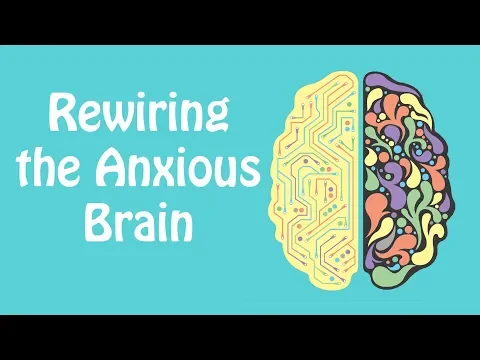


Building a positive mindset requires consistent practice through specific exercises that target negative thought patterns. The following techniques provide structured approaches to develop mental resilience and shift cognitive habits toward healthier perspectives.
Journaling and Thought Records
I recommend maintaining a structured thought record to identify and challenge negative thinking patterns. Start by writing down the situation that triggered a negative thought, then document the automatic thought itself and the emotions it produced. Rate the intensity of these emotions on a scale from 1-10.
Next, examine the evidence supporting and contradicting this thought. Ask yourself what alternative explanations exist and how you might advise a friend in the same situation. Finally, write a more balanced thought and re-rate your emotional intensity.
Daily thought record template:
Situation: What happened?
Automatic thought: What went through my mind?
Evidence for: What supports this thought?
Evidence against: What contradicts it?
Balanced response: What's a more realistic perspective?
I find that reviewing these records weekly reveals recurring patterns. This awareness helps me recognize distortions like catastrophizing or all-or-nothing thinking before they escalate.
Positive Affirmations and Visualization
I use positive affirmations as targeted statements that counter specific negative beliefs. Rather than generic phrases, I create affirmations that address my particular thought patterns. For example, if I struggle with self-worth, I might use "I am capable of learning from mistakes" instead of vague statements.
The most effective approach involves repeating affirmations during morning routines while standing in front of a mirror. I speak each affirmation slowly and visualize it as true. This combination engages both verbal and visual processing.
Visualization extends this practice by creating detailed mental images of desired outcomes. I spend 5-10 minutes daily imagining myself responding calmly to stressful situations or achieving personal goals. The brain responds to vivid mental imagery similarly to actual experiences, strengthening new neural pathways.
Gratitude Practices
I maintain a daily gratitude journal by writing specific things I appreciate each evening. Instead of broad entries like "my family," I note particular moments: "my colleague offered help with the project deadline" or "I enjoyed my morning coffee without rushing."
This specificity trains my attention to notice positive details throughout the day. Research shows that consistent gratitude practice reduces stress and improves overall wellbeing by shifting focus from what's lacking to what's present.
I also practice gratitude reflection during routine activities. While brushing my teeth or commuting, I mentally list things going well in my life. This transforms idle time into opportunities for positive mental rehearsal.
Integrating New Habits into Daily Life
I use habit stacking to anchor positive thinking exercises to existing routines. For example, I write in my thought record immediately after breakfast, and I practice affirmations while making my morning coffee. This attachment to established habits increases consistency.
I set phone reminders for midday gratitude check-ins and evening journaling sessions. Starting small matters more than ambitious schedules. I began with just five minutes of daily practice before gradually expanding.
Tracking progress through a simple calendar where I mark completed exercises provides visual motivation. I also pair these activities with accountability by sharing goals with a friend or therapist. When I miss a day, I resume the next day without self-criticism, recognizing that building new neural pathways takes time and repetition.
*This site contains affiliate links; I may earn a small commission at no cost to you*