

The Link Between Chronic Stress and Physical Pain
Learn how chronic stress contributes to physical pain and what you can do to break the cycle.
PHYSICAL HEALTH
EJ Martin
3/21/20269 min temps de lecture
The Link Between Chronic Stress and Physical Pain: Causes and Solutions
Many people experience persistent aches, tension, or discomfort without realizing that chronic stress may be the underlying cause. The relationship between ongoing psychological pressure and physical pain is not just in your head—it involves real physiological changes in your nervous system, hormones, and muscle tension that can create or worsen pain throughout your body.


Chronic stress and physical pain operate in a cyclical relationship where each condition can trigger and intensify the other, creating a pattern that becomes increasingly difficult to break without targeted intervention. When you experience prolonged stress, your body remains in a heightened state of alert that affects pain processing, inflammation levels, and muscle tension. Conversely, living with persistent pain generates additional stress that keeps this cycle active.
I'll explore the specific mechanisms linking stress to physical pain, explain how this bidirectional relationship develops, and provide evidence-based approaches to interrupt this pattern. Understanding these connections is the first step toward addressing both issues effectively rather than treating them as separate problems.
Understanding the Relationship Between Chronic Stress and Physical Pain
Chronic stress and physical pain operate through overlapping biological pathways and psychological mechanisms that create a bidirectional relationship. The body's stress response system and pain processing networks share common brain structures, neurotransmitters, and inflammatory pathways that link these two conditions at a fundamental level.
Defining Chronic Stress and Chronic Pain
Chronic stress occurs when I experience prolonged or repeated exposure to demanding situations that overwhelm my ability to cope effectively. This differs from acute stress, which is short-lived and often protective in nature.
The physiological stress response involves activation of the hypothalamic-pituitary-adrenal (HPA) axis and sympathetic nervous system. When these systems remain activated over extended periods, they cause wear-and-tear on the body through a process called allostatic overload.
Chronic pain persists for more than three months, often continuing beyond the healing of any initial injury. The International Association for the Study of Pain defines pain as an unpleasant sensory and emotional experience associated with actual or potential tissue damage.
Pain exists on a spectrum from acute to chronic. Between these extremes, I may experience recurrent episodic pain or transitional pain lasting several weeks to three months. Chronic pain becomes recognized as a disease state rather than merely a symptom.
Shared Mechanisms Linking Stress and Pain
Both stress and pain activate overlapping neural networks in the brain, particularly structures like the amygdala that process emotional responses. The amygdala integrates sensory information and evaluates whether stimuli are threatening or painful.
Central sensitization represents a key mechanism where my nervous system becomes hypersensitive to stimuli. This process involves heightened neural excitability and reduced inhibitory signaling in the central nervous system. The result is allodynia, where previously non-painful stimuli trigger pain sensations, and hyperalgesia, where painful stimuli feel amplified.
Chronic stress induces similar neuroplastic changes through neuroinflammation and activation of descending pain modulatory pathways. The cumulative effects create temporary hypersensitivity in sensory perception.
Key physiological overlaps include:
HPA axis activation and cortisol release
Inflammatory responses involving cytokines
Neurotransmitter imbalances affecting pain perception
Structural changes in brain regions processing pain and emotion
The Vicious Cycle Between Stress and Pain
Pain activates physiological stress responses in my body. When pain becomes recurrent or persistent, repeated stress activation leads to allostatic overload and progressive dysregulation of normal homeostatic processes.
Conversely, prolonged stress that I perceive as unpredictable or unmanageable can precipitate new pain manifestations such as tension headaches or musculoskeletal pain. This creates a self-perpetuating cycle where each condition amplifies the other.
Cognitive and behavioral responses reinforce this cycle. Fear conditioning, pain hypervigilance, catastrophizing, and exaggerated negative appraisals about pain and recovery maintain the feedback loop. I may develop distorted beliefs about my ability to manage activities or achieve recovery.
The cycle manifests through interference with daily activities, reduced quality of life, functional limitations, and disability. Social withdrawal and unhealthy coping mechanisms like substance use can further exacerbate both perceived stress and pain intensity.
Breaking this cycle requires addressing both the physiological mechanisms and the psychological factors that sustain the mutually reinforcing relationship between chronic stress and physical pain.
How Chronic Stress Contributes to Physical Pain

Chronic stress triggers specific biological processes that directly generate and amplify physical pain. These mechanisms range from hormonal changes and nervous system alterations to muscle tension and shifts in how the brain processes pain signals.
Physiological Pathways: Nervous System and Hormones
The hypothalamic-pituitary-adrenal (HPA) axis serves as the primary stress response system in my body. When I experience acute stress, this pathway releases cortisol and other hormones to help me respond to threats. With chronic stress, however, the HPA axis becomes dysregulated through repeated activation.
This dysregulation leads to cortisol dysfunction—either excessive production or depletion of cortisol reserves. Both patterns interfere with the body's natural pain regulation systems. The sympathetic nervous system also remains in a prolonged state of activation, releasing stress hormones that increase nerve sensitivity.
These hormonal imbalances affect pain processing in the spinal cord and brain. They alter neurotransmitter levels, particularly serotonin and norepinephrine, which play key roles in pain modulation. When these systems malfunction, my pain threshold drops and normal sensations may register as painful.
Muscle Tension and Inflammation
Chronic stress causes sustained muscle tension, particularly in the neck, shoulders, and back. This tension restricts blood flow and oxygen delivery to muscle tissues, creating areas of localized pain. Over time, persistent muscle contraction can lead to chronic back pain and hip pain.
Stress also activates inflammatory pathways throughout the body. Elevated cortisol initially suppresses inflammation, but chronic HPA axis dysfunction eventually impairs this anti-inflammatory response. The resulting chronic inflammation contributes to pain conditions including arthritis and can worsen existing inflammatory joint conditions.
Inflammatory markers like cytokines accumulate in tissues, sensitizing pain receptors. This creates a state where muscles, joints, and connective tissues become more reactive to stimuli that wouldn't normally cause discomfort.
Central Sensitization and Pain Sensitivity
Central sensitization occurs when my nervous system becomes hyperresponsive to pain signals. Chronic stress accelerates this process through neuroplastic changes in the brain and spinal cord. The amygdala, which processes emotional responses to pain, becomes hyperactive under prolonged stress.
This hyperactivity strengthens pain pathways while weakening pain inhibition systems. I may experience allodynia (pain from normally non-painful stimuli) or hyperalgesia (amplified pain responses). A light touch on my back or pressure on my hip might trigger disproportionate pain.
The brain's pain processing networks physically change structure and function. These alterations persist even after the initial stressor resolves, maintaining heightened pain sensitivity. Conditions like fibromyalgia and chronic headaches often involve central sensitization mechanisms intensified by stress.
Emotional and Cognitive Impacts
Stress affects how I perceive and respond to pain through cognitive and emotional channels. Pain catastrophizing—the tendency to magnify pain threats and feel helpless—increases significantly during periods of high stress. This cognitive pattern amplifies perceived pain intensity.
Fear conditioning develops when I associate certain movements or activities with pain, particularly if stress has made previous pain experiences more memorable. I may begin avoiding activities that could trigger back pain or arthritis discomfort, even when such avoidance is unnecessary. This behavioral change reduces physical activity and can worsen pain conditions.
Stress-related anxiety and mood changes lower my pain tolerance. The same degree of hip pain or joint inflammation feels more severe when I'm under psychological pressure. My attention becomes hypervigilant to pain signals, creating a feedback loop where monitoring pain actually intensifies the experience.
Physical Pain as a Source of Chronic Stress
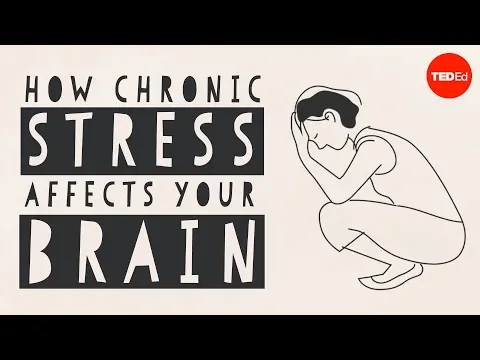

The relationship between pain and stress operates bidirectionally. Persistent physical pain activates psychological distress mechanisms, triggers mood disorders, and disrupts social functioning, creating a sustained state of stress that compounds the original pain condition.
Psychological Impact of Persistent Pain
Living with ongoing physical pain fundamentally alters how the brain processes stress signals. The constant barrage of pain signals keeps the nervous system in a heightened state of alert, elevating cortisol and other stress hormones even during periods of relative calm.
This perpetual activation prevents the body from entering restorative states. I've observed that patients with chronic pain conditions often report feeling mentally exhausted even when they haven't engaged in physically demanding activities.
The brain's neuroplasticity works against us in this scenario. Neural pathways become sensitized to both pain and stress signals, making each subsequent episode feel more intense. This sensitization process explains why chronic pain conditions often worsen over time despite unchanged underlying tissue damage.
Pain-related stress also impairs cognitive function. Memory, concentration, and decision-making abilities decline as mental resources get consumed by managing discomfort and the associated stress response.
Co-Occurrence of Anxiety and Depression
Anxiety disorders develop in 30-50% of chronic pain patients. The uncertainty about when pain will strike next creates persistent worry and hypervigilance. This anticipatory anxiety amplifies the stress response, creating a self-perpetuating cycle.
Depression frequently emerges as chronic pain persists. The combination affects both physical health and mental wellbeing more severely than either condition alone.
Key overlapping symptoms include:
Sleep disturbances and fatigue
Changes in appetite and weight
Reduced motivation and pleasure in activities
Difficulty concentrating
Physical symptoms like headaches and digestive issues
The neurochemical basis for this overlap involves shared pathways. Serotonin and norepinephrine regulate both pain perception and mood states. When chronic pain depletes these neurotransmitters, vulnerability to mood disorders increases substantially.
Social Isolation and Reduced Quality of Life
Persistent pain forces many people to withdraw from social activities, work, and relationships. This isolation itself becomes a significant source of stress. Humans require social connection for psychological stability, and pain-imposed limitations sever these vital bonds.
Employment loss or reduced work capacity creates financial strain. The inability to fulfill previous roles generates feelings of inadequacy and purposelessness, amplifying stress levels.
Relationships suffer under the weight of chronic pain. Partners and family members may struggle to understand invisible symptoms, leading to conflict and reduced emotional support. The loss of intimacy and shared activities diminishes relationship quality.
Daily activities that others take for granted become sources of stress. Simple tasks like grocery shopping or attending social gatherings require extensive planning and energy management. This constant negotiation between desired activities and physical limitations maintains elevated stress levels throughout the day.
Strategies to Break the Stress-Pain Cycle


Breaking the cycle requires targeting both physical and psychological components through evidence-based interventions. These approaches work by interrupting the mutually reinforcing relationship between stress responses and pain perception, addressing underlying mechanisms like central sensitization and neuroendocrine dysfunction.
Mindfulness and Relaxation Techniques
Mindfulness practices directly counteract stress-induced pain amplification by regulating the nervous system and reducing amygdala hyperactivity. I recommend starting with focused breathing exercises, which activate the parasympathetic nervous system and help reset dysregulated stress responses. Deep diaphragmatic breathing for 5-10 minutes daily can lower cortisol levels and decrease pain intensity.
Progressive muscle relaxation targets the physical tension that accompanies both chronic stress and chronic pain. This technique involves systematically tensing and releasing muscle groups, which helps identify and release held tension patterns. For those with arthritis or other conditions causing physical pain, I suggest gentler variations that avoid aggravating inflamed joints.
Meditation practices train the brain to observe pain sensations without emotional reactivity. Research shows that regular meditation can reduce activity in pain-processing brain regions and improve pain tolerance. Even brief 10-minute sessions can produce measurable benefits for physical health over time.
Cognitive Behavioral Approaches
Cognitive behavioral therapy (CBT) addresses the thought patterns that perpetuate the stress-pain cycle. I focus on identifying pain catastrophizing—the tendency to magnify pain's severity and helplessness about managing it. This cognitive distortion amplifies both pain perception and stress responses.
CBT techniques help reframe automatic negative thoughts about pain. Instead of "this pain will never end," I learn to recognize this as a thought rather than a fact. This shift reduces emotional distress and can decrease actual pain intensity through descending pain modulatory pathways.
Key CBT strategies include:
Challenging catastrophic thinking patterns
Developing realistic pain expectations
Building problem-solving skills for pain flares
Creating behavioral activation plans to prevent withdrawal
Pain-focused CBT also addresses unhealthy coping mechanisms like social withdrawal or substance use that worsen both conditions. By replacing these with adaptive strategies, I can interrupt the reinforcing cycle between stress and chronic pain.
Physical Activity and Gentle Exercise
Movement is essential for managing both stress and chronic pain, despite initial concerns about exacerbating symptoms. I start with low-impact activities that don't strain already compromised areas. Swimming, water aerobics, and walking provide cardiovascular benefits without excessive joint stress—particularly important for those managing arthritis.
Exercise reduces pain through multiple mechanisms. Physical activity releases endorphins, the body's natural pain relievers, while also reducing inflammatory markers associated with both stress and pain persistence. Regular movement prevents deconditioning, which can worsen pain and create additional physical health complications.
Yoga and tai chi combine gentle movement with mindfulness, addressing both physical and psychological aspects simultaneously. These practices improve flexibility, strength, and balance while teaching body awareness that helps distinguish between protective pain signals and sensitized nervous system responses.
I pace activities to avoid boom-bust cycles where overexertion triggers pain flares. Gradual progression allows my body to adapt without overwhelming already dysregulated pain systems.
Integrated Pain Management Solutions
Effective management requires coordinating multiple interventions that address biopsychosocial factors. I work with healthcare providers to develop a comprehensive plan that may include physical therapy, psychological support, and appropriate medication management. This multidisciplinary approach recognizes that neither pain nor stress exists in isolation.
Lifestyle modifications support other interventions by reducing overall allostatic load. I prioritize sleep hygiene, as poor sleep intensifies both pain perception and stress reactivity. Adequate nutrition supports healing processes and helps regulate inflammatory responses that contribute to conditions like arthritis.
Social support serves as a buffer against stress while reducing pain-related disability. I maintain connections rather than isolating, which prevents the negative spiral of withdrawal that worsens both conditions. Support groups provide validation and practical coping strategies from others managing similar challenges.
Regular monitoring helps identify triggers and early warning signs of cycle escalation. I track pain levels, stress events, and intervention effectiveness to refine my management approach over time. This data-driven strategy allows me to intervene proactively rather than reactively when symptoms intensify.