

Benefits of Performing Daily Cold Plunge: Science-Backed Impacts
Learn about the importance of performing a cold plunge and the benefits it has on the body
PHYSICAL HEALTH
EJ Martin
4/4/20267 min read
*This site contains affiliate links; I may earn a small commission at no cost to you*
Benefits of Performing Daily Cold Plunge: Science-Backed Impacts
Jumping into cold water might seem like an uncomfortable way to start your day, but this ancient practice has gained significant attention for its measurable effects on physical and mental health. Cold plunge therapy involves immersing yourself in water typically around 50 degrees Fahrenheit for two to three minutes, triggering a cascade of physiological responses throughout your body.


Daily cold plunging can reduce inflammation, enhance muscle recovery, improve mental clarity, strengthen immune function, and increase metabolic rate when practiced safely and consistently. These benefits stem from the body's natural adaptive responses to cold exposure, including changes in blood vessel function, hormone release, and nervous system activation.
We'll explore the science-backed advantages of incorporating cold plunges into your daily routine, from physical recovery to mental resilience. We'll also cover important safety considerations and practical guidelines to help you determine whether this practice aligns with your health goals.
Reducing Inflammation and Muscle Recovery

Cold water immersion triggers physiological responses that directly address post-exercise inflammation and accelerate muscle repair. The practice reduces inflammatory markers while improving circulation to damaged tissues.
How Cold Plunges Reduce Inflammation
When we immerse ourselves in cold water, our blood vessels constrict and push blood toward our vital organs. Upon exiting, the vessels dilate rapidly, creating a pumping effect that flushes inflammatory compounds from our muscles.
Research shows that cold water immersion significantly reduces inflammation by lowering markers like interleukin-6 and C-reactive protein. This response helps our bodies manage the inflammatory process without completely suppressing it. Some inflammation is necessary for adaptation, but excessive inflammation delays recovery and prolongs discomfort.
The cold also triggers norepinephrine release, which provides additional anti-inflammatory effects beyond the vascular changes. Water temperatures between 50-59°F (10-15°C) produce optimal results for inflammation reduction.
Benefits for Muscle Soreness Recovery
Delayed onset muscle soreness (DOMS) typically peaks 24-72 hours after exercise, limiting our ability to train consistently. Cold plunging addresses this by reducing the severity and duration of muscle soreness.
Studies demonstrate that athletes who use cold water immersion report up to 20% less muscle soreness compared to passive recovery methods. This reduction allows us to maintain higher training frequencies and quality.
The most effective timing for muscle soreness recovery occurs 1-4 hours post-exercise. Sessions of 10-15 minutes provide maximum benefit without unnecessary stress on our bodies. We should start with 5-minute sessions and gradually increase duration as we adapt to the cold.
Pain Relief and Injury Recovery
Cold immersion provides immediate pain relief by reducing nerve signal velocity and numbing affected areas. This makes it valuable for managing acute pain from training-related injuries.
The enhanced circulation from cold plunging delivers oxygen-rich blood to injured tissues, supporting the repair process. We see faster restoration of muscle function and power output with consistent cold water protocols.
For injury recovery, we should use cold plunges as part of a comprehensive approach that includes proper rest and rehabilitation. Cold plunge therapy helps reduce swelling and promotes healing without relying solely on medication or passive rest.
Boosting Mental Focus and Stress Resilience

Cold plunge therapy triggers specific physiological responses that sharpen cognitive function and strengthen our ability to manage stress. The practice creates measurable changes in neurotransmitter levels and nervous system activation that translate to improved mental performance and emotional stability.
Enhancing Mental Clarity and Alertness
When we immerse ourselves in cold water, our bodies release norepinephrine, a neurotransmitter that plays a direct role in attention and focus. This biochemical response occurs within seconds of exposure and can persist for hours afterward.
Research on cold plunges and cognitive function indicates that regular cold exposure activates the sympathetic nervous system, creating a state of heightened alertness. We experience this as improved concentration and faster reaction times during daily tasks.
The duration matters for optimal results. Studies suggest 1 to 3 minutes is sufficient to activate the nervous system without overwhelming it. A 2-minute session typically provides the best balance between benefit and tolerability for most people seeking to boost mental focus.
Building Stress Resilience
Cold water immersion functions as a controlled stressor that trains our nervous system to handle challenges more effectively. Each exposure creates mild stress that we consciously work through, building our capacity to remain calm under pressure.
Research shows cold immersion reduced stress levels for up to 12 hours following exposure. This extended effect suggests that regular practice creates lasting changes in how our bodies regulate stress hormones like cortisol.
For those seeking long-term benefits such as lowered cortisol and enhanced stress resilience, consistent full-body cold water immersion appears more effective than occasional sessions. The key lies in establishing a routine that allows our nervous system to adapt and strengthen over time.
Impact on Mood and Emotional Wellbeing
Cold plunges create immediate shifts in our emotional state through multiple mechanisms. The shock of cold-water triggers endorphin release, creating feelings of euphoria and accomplishment that can last throughout the day.
Studies on swimmers found elevated positive emotions and decreased negative emotional states following cold water immersion. These mood improvements appear related to both neurochemical changes and the psychological benefit of completing a challenging task.
We also gain mood benefits from the novelty of the experience itself. Breaking routine and stepping outside our comfort zone activates reward pathways in the brain, contributing to greater overall happiness and life satisfaction.
Stimulating the Immune System

Cold plunges trigger measurable changes in our immune cell production and inflammatory responses. Regular exposure appears to train our body's defense systems to respond more efficiently to threats.
Strengthening Immune Responses
When we immerse ourselves in cold water, our blood vessels constrict and then dilate rapidly upon exiting. This process stimulates circulation and helps white blood cells move more effectively throughout our body.
Cold exposure increases the production of white blood cells, particularly lymphocytes that identify and neutralize pathogens. Each plunge triggers hormonal responses that ramp up immune cell production almost immediately.
The practice also reduces inflammation by decreasing pro-inflammatory cytokines. Cold water triggers the release of norepinephrine, which actively lowers inflammatory markers in our body. This allows our immune system to focus on fighting infections rather than managing chronic inflammation.
Our lymphatic system also benefits from the muscle contractions caused by cold exposure. Unlike our cardiovascular system, lymph flow depends on physical movement, and cold plunging helps move infection-fighting fluids more efficiently through our body.
Potential Reduction in Sick Days
Research suggests that regular cold exposure may lead to fewer illness episodes. The immune-boosting effects we experience from consistent cold plunging can act as a buffer during cold and flu season.
However, we need to approach this practice carefully. Very prolonged cold exposure beyond 10-15 minutes at temperatures below 50°F may produce excessive cortisol that counteracts the benefits. The key is controlled, brief exposures that prime our immune cells without overwhelming our stress response.
While more research is needed to establish definitive claims, preliminary evidence indicates that people who practice regular cold water immersion report better resistance to common illnesses. We should view cold plunging as one component of a comprehensive wellness strategy rather than a standalone solution.
Boosting Metabolism and Energy Expenditure
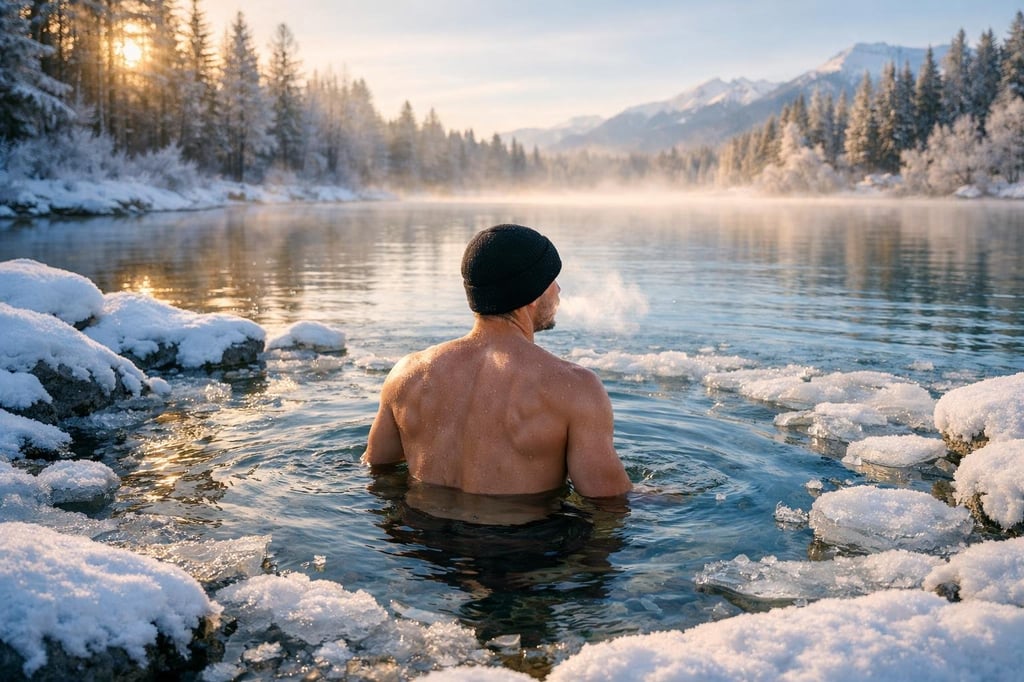

Cold plunges trigger distinct metabolic responses that increase calorie burning through both immediate shivering and longer-lasting hormonal changes. The body's effort to maintain core temperature activates specialized fat tissue and elevates energy expenditure beyond resting levels.
How Cold Plunges Boost Metabolism
When we immerse ourselves in cold water, our bodies immediately work to preserve core temperature through thermogenesis. This process occurs through two primary mechanisms: shivering thermogenesis and non-shivering thermogenesis.
Shivering involves rapid involuntary muscle contractions that can triple our resting metabolic rate for brief periods. The muscle activity generates heat but demands significant energy, burning calories at an accelerated pace during the plunge.
Non-shivering thermogenesis relies on brown adipose tissue (BAT), a specialized fat that generates heat without shivering. Unlike white fat that stores energy, brown fat burns calories to produce warmth. Studies show that cold exposure activates brown fat, temporarily boosting our metabolic rate during and after exposure.
Our thyroid gland also responds to cold by releasing hormones that elevate resting metabolism. This hormonal response extends the calorie-burning effect beyond the actual plunge duration.
Effects on Fat Burning and Weight Management
The metabolic boost from cold plunges contributes to increased calorie expenditure, though the magnitude varies. Research indicates that cold exposure can increase energy burn by roughly 150-250 calories per day in controlled settings with prolonged mild cold exposure.
Cold water immersion creates 1.5 to 3 times greater immediate energy expenditure compared to warm water therapy or passive rest. This difference stems from the body's active heat generation versus the relaxation response triggered by warm environments.
We should note that while cold plunges affect metabolism, they're not a standalone weight loss solution. The calorie burn may be offset by increased appetite following cold exposure. The most reliable benefits come from consistent practice combined with proper nutrition and exercise habits rather than relying on cold therapy alone for weight management.
Additional Health and Lifestyle Benefits
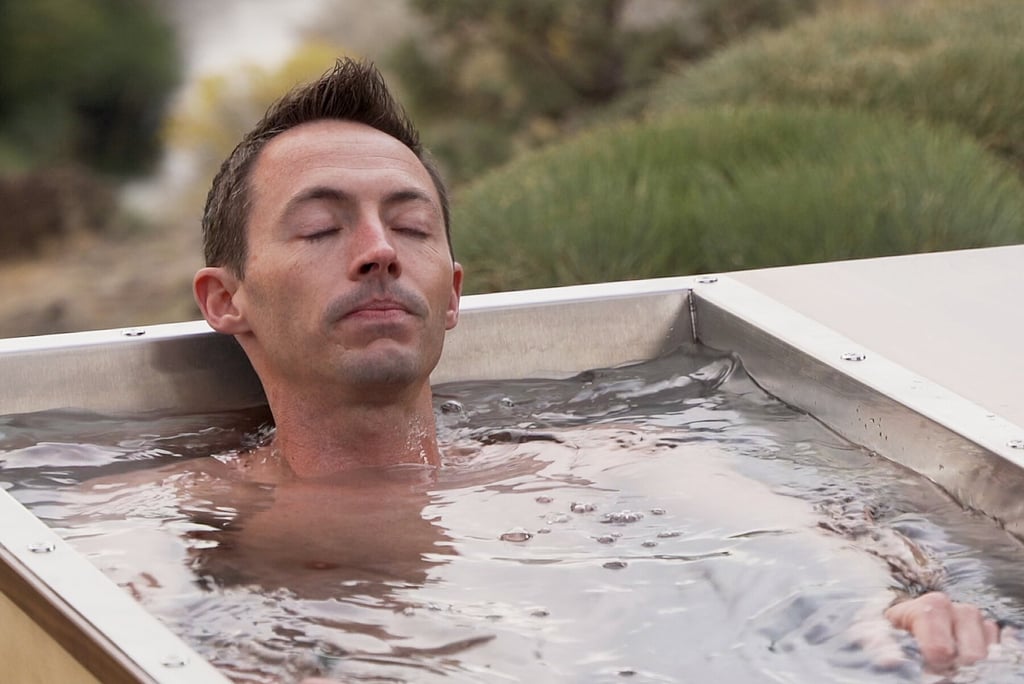
Beyond the immediate physical effects, daily cold plunging influences fundamental aspects of our wellbeing including how we sleep, how our blood flows, and how we handle life's pressures.
Improving Sleep Quality
Cold plunging several hours before bedtime can significantly improve how we sleep. When we immerse ourselves in cold water, our body temperature drops, which mirrors the natural temperature decrease that occurs when we prepare for sleep.
Research shows that cold exposure increases melatonin levels within 90 minutes, the hormone responsible for regulating our sleep-wake cycles. This boost in melatonin helps us fall asleep faster and achieve deeper rest.
The mood improvements from increased dopamine and serotonin also contribute to better sleep quality. We should aim to take our cold plunge 1-2 hours before bed rather than immediately before sleeping, as the initial alertness boost needs time to fade.
Enhancing Circulation
Daily cold plunges create a powerful pumping action in our cardiovascular system. When we enter cold water, our blood vessels constrict to preserve heat, then rapidly dilate once we exit or our body adapts.
This alternating constriction and dilation acts as a natural cardiovascular workout that strengthens blood vessel function. Cold exposure also increases nitric oxide production, a molecule that relaxes blood vessel walls and improves blood flow.
The enhanced circulation delivers more oxygen and nutrients to our muscles and organs while removing metabolic waste more efficiently. This can reduce our risk of heart conditions, blood clots, and support faster recovery from physical exertion.
Resilience and Quality of Life
Cold plunging builds our capacity to handle stress through what researchers call stress inoculation. Each time we face the uncomfortable cold, we practice techniques like controlled breathing and mental reframing that transfer to real-world challenges.
The practice strengthens our prefrontal cortex, the brain region controlling emotional regulation, while calming the amygdala responsible for fear responses. Cold immersion increases positive emotions like feeling active, proud, and inspired through enhanced brain connectivity.
We develop what's called stress resilience—the ability to bounce back from difficulties. The voluntary discomfort we experience conditions our nervous system to remain calmer during involuntary stresses. This mental fortitude extends beyond the plunge itself, improving how we navigate daily pressures and maintain emotional stability.