
5 Undeniable Signs That You're in a Toxic Relationship: Key Warning Signals and Next Steps
Discover what clear signs to look for that indicate that you are in a toxic relationship and the next steps to take
EMOTIONAL HEALTH
EJ Martin
4/15/20266 min read
5 Undeniable Signs That You're in a Toxic Relationship: Key Warning Signals and Next Steps
Not all damaging relationships announce themselves with obvious warning signs like physical abuse or constant screaming matches. Many toxic dynamics operate beneath the surface, gradually eroding our sense of self-worth and emotional well-being through patterns that can be difficult to recognize until significant harm has occurred.


Understanding the specific indicators of relationship toxicity helps us identify unhealthy patterns before they cause lasting damage to our mental and emotional health. Toxic relationships center on power and control, with one person consistently losing ground in these dynamics while the other maintains dominance through various manipulation tactics.
We'll examine both the obvious and subtle signs that your relationship is turning toxic, from clear behavioral red flags to those quiet feelings of unease that are easy to rationalize away. This guide will also provide practical steps for addressing these issues and protecting our well-being when we recognize these patterns in our own relationships.
Identifying Core Signs of Toxic Relationships

Toxic relationships reveal themselves through patterns of disrespect, power struggles, and persistent negativity that erode your well-being over time. Recognizing these behaviors helps you understand whether your relationship has crossed from healthy disagreements into harmful territory.
Lack of Respect and Support
Respect forms the foundation of any healthy partnership, and its absence signals serious problems. In toxic dynamics, one partner may belittle the other's opinions, mock their appearance, or dismiss their feelings as invalid. We often see this manifest through constant criticism and put-downs that chip away at self-esteem.
Common disrespectful behaviors include:
Making fun of how you dress, talk, or look
Dismissing your accomplishments or goals
Ignoring your emotional needs
Refusing to acknowledge your perspective
A toxic partner may also limit your social connections, encouraging you to distance yourself from friends and family members. This isolation increases risk for depression and makes it harder to seek help when needed. When someone consistently fails to celebrate your successes or support your growth, we're looking at a clear warning sign that the relationship lacks the mutual respect required for a healthy bond.
Manipulation and Power Imbalance
Manipulation in toxic relationships takes many forms, all designed to exert control over your decisions and behavior. A toxic partner might use guilt to change your plans, playing the victim when you want to spend time with others. They may accuse you of flirting when you socialize, making you feel it's not worth the conflict to maintain outside relationships.
This control often operates subtly at first. The guilt-inducer uses verbal or nonverbal communication to make you question your goodness and self-worth. Narcissistic partners refuse to acknowledge your viewpoint, minimizing your feelings while insisting only their perspective matters. They challenge your reality by claiming you're overreacting or making things up.
Power imbalances show up through:
Controlling where you go and who you see
Making all major decisions without input
Using jealousy as a tool for restriction
Refusing to take responsibility for conflicts
These controlling behaviors damage your ability to trust your own judgment and create a relationship where one person holds all the power.
Consistent Emotional Drain and Negativity
We recognize toxic relationships by the persistent heaviness they create in your daily life. When negative interactions consistently outnumber positive ones, your emotional reserves become depleted. You might feel constant anxiety about bringing up sensitive topics or worry that nothing you do is ever good enough.
This emotional toll manifests as stress, anxiety, and feelings of isolation. Research shows that toxic communication patterns damage mental health when they continue over prolonged periods. You may notice low self-esteem developing or find yourself doubting how you experience situations with your partner.
The Four Horsemen of toxic communication—contempt, stonewalling, defensiveness, and criticism—create an atmosphere of ongoing conflict without resolution. Contempt proves particularly destructive, as it involves criticizing someone from a position of superiority. Rather than addressing specific behaviors, contemptuous partners attack your entire character and way of being.
When a relationship leaves you feeling emotionally exhausted, walking on eggshells, or disconnected from the person you used to be, these feelings signal that the relationship is draining rather than sustaining you.
Recognizing Subtle and Overlooked Red Flags
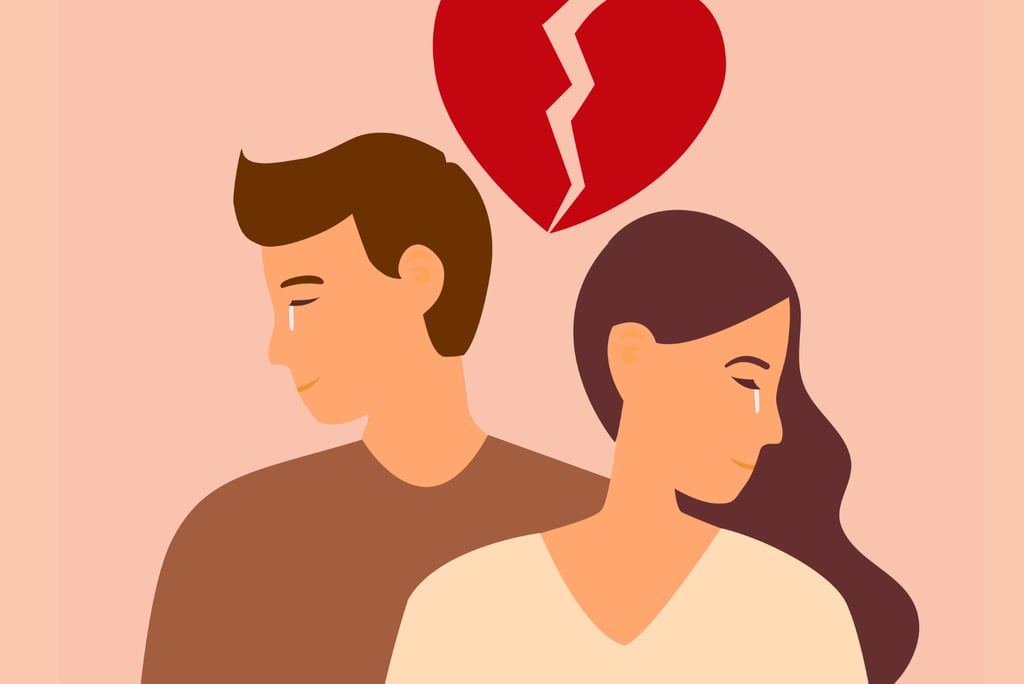

Some warning signs don't announce themselves loudly but instead quietly chip away at your sense of safety and self. These patterns often go unnoticed until significant damage has occurred.
Walking on Eggshells and Fear of Conflict
We often find ourselves constantly monitoring our words and actions to avoid triggering our partner's negative reactions. This hypervigilance is exhausting and represents one of the subtle signs you may be in a toxic relationship.
When we feel the need to carefully calculate every statement or worry about bringing up legitimate concerns, we're experiencing a fundamental power imbalance. Healthy disagreements should not leave us feeling afraid or anxious about expressing different opinions.
Arguments that never reach comfortable resolution create a cycle where we learn to simply avoid conflict altogether. This avoidance isn't peace—it's suppression of our authentic thoughts and feelings.
Partners displaying narcissistic traits may react to minor disagreements with disproportionate anger, silent treatment, or blame-shifting. We start believing that keeping the peace is our sole responsibility, which it never should be.
Loss of Personal Identity or Self-Worth
We notice our hobbies, friendships, and personal goals gradually disappearing as the relationship consumes more of our energy and attention. This erosion of identity often happens so slowly that we don't recognize it until we feel like strangers to ourselves.
Codependency develops when we become overly focused on our partner's needs while neglecting our own well-being. We may find ourselves seeking constant validation from our partner or feeling incomplete without their approval.
Frequent criticisms about things we should or shouldn't do gradually reshape how we view ourselves. We begin questioning our judgment, appearance, or capabilities based on our partner's ongoing negative feedback.
An overwhelming sense of responsibility for the relationship's success falls entirely on our shoulders. We work harder to fix problems while our partner remains uninvested in the relationship's health or growth.
Taking Action: Steps Toward Healing and Safety


Recognizing toxic patterns is only the first step. Setting clear boundaries, accessing professional support, and creating a safe exit plan are essential actions that protect your wellbeing and help you reclaim control of your life.
How to Set Healthy Boundaries
Boundaries define what behavior we will and won't accept from others. In toxic relationships, these lines often become blurred or completely erased.
We can start by identifying our non-negotiables. These might include refusing to tolerate yelling, demanding respect during disagreements, or protecting our time with friends and family. Once we know our limits, we need to communicate them clearly and directly.
Key boundary-setting strategies include:
Using "I" statements like "I need space when I feel overwhelmed"
Refusing to engage in circular arguments or blame sessions
Maintaining consequences when boundaries are violated
Limiting contact or information sharing when necessary
Codependency often makes boundary-setting feel impossible or selfish. We might worry about our partner's reaction or feel guilty for prioritizing our needs. These feelings are normal but shouldn't stop us from protecting ourselves.
Seeking Support and Professional Help
We don't have to navigate this alone. Professional therapists trained in relationship dynamics can help us identify unhealthy relationship signs and develop coping strategies.
Support groups connect us with others who understand our experiences. Many communities offer free or low-cost counseling services specifically for people in difficult relationships. Online forums and hotlines provide immediate support when we need someone to talk to.
Trusted friends and family members can offer practical help like temporary housing or emotional support. We should reach out to people who respect our decisions and won't pressure us into staying or leaving before we're ready. Seeking professional help provides a safe space for processing emotions at our own pace.
How to Leave a Toxic Relationship
Leaving requires careful planning, especially if we're facing potential retaliation or have financial dependencies. We need to prioritize our safety above all else.
Essential steps for leaving safely:
Document everything - Keep records of concerning incidents, messages, and behaviors
Secure important documents - Gather IDs, financial records, and legal papers in a safe location
Build financial independence - Open a separate bank account if possible
Create a safety plan - Identify where we'll go and who will help us
Pack essentials - Prepare a bag with clothes, medications, and personal items
We should tell trusted people about our plans and establish a code word for emergencies. How to leave a toxic relationship often involves multiple attempts, and that's completely normal.
If we're in immediate danger, calling emergency services or a domestic violence hotline provides immediate assistance. Many organizations offer confidential shelter, legal advocacy, and resources for starting over.